Introduction
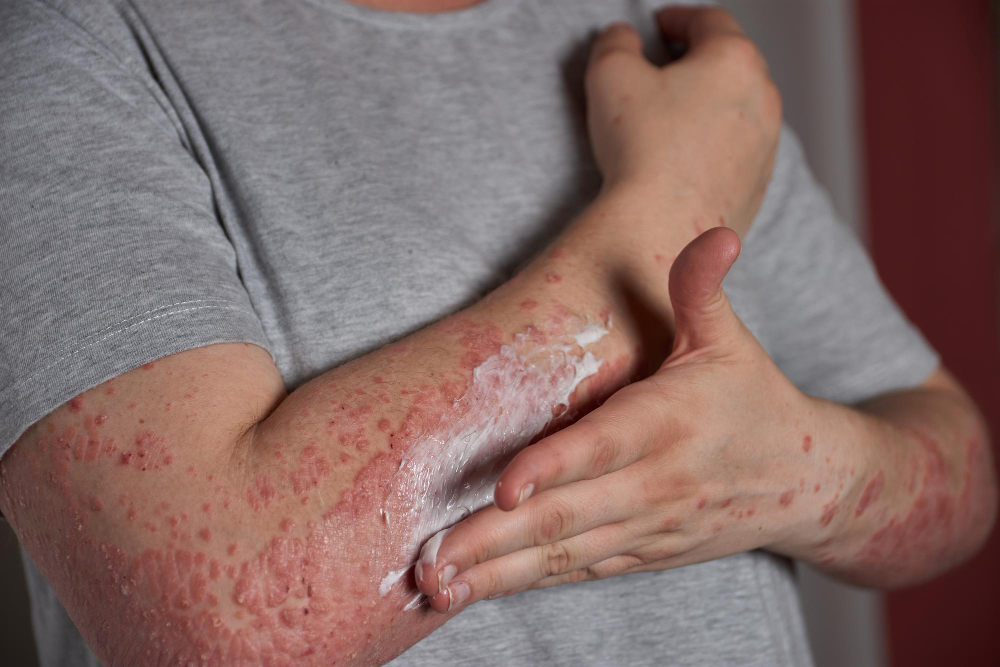
Many people seek natural ways to care for their skin. Homeopathy for psoriasis and eczema is a popular choice for those looking for gentle options. Psoriasis and eczema are both common skin problems. Psoriasis causes thick, red, scaly patches. Eczema, also called atopic dermatitis, leads to itchy, dry, and inflamed skin. Both can affect daily life. However, homeopathy offers a holistic approach. It uses natural substances in tiny amounts to support the body’s healing. In cities like London, New York, and Sydney, more people are exploring homeopathic and holistic skin treatments. This blog explains symptoms, causes, and homeopathic options for better skin health.
Symptoms of Psoriasis and Eczema
Both psoriasis and eczema can look similar. Yet, they have some differences. For example, psoriasis often appears as:
On the other hand, eczema usually causes:
Because symptoms can change over time, it is important to notice any new changes in your skin.
Common Causes and Risk Factors
Several things can trigger psoriasis and eczema. For instance, genetics play a big role. If a family member has these conditions, your risk may be higher. Besides genetics, other risk factors include:
Although anyone can get these skin problems, children often develop eczema, while adults are more likely to get psoriasis.
Homeopathic Principles and How They Apply to Skin Conditions
Homeopathy is a natural system of medicine. It is based on the idea that “like cures like.” This means a substance that causes symptoms in a healthy person may help treat those same symptoms in someone who is sick. In homeopathy, remedies are made from plants, minerals, or animals. They are diluted many times, making them gentle and safe for most people. Because homeopathy looks at the whole person, not just the skin, it may help with both physical and emotional symptoms. For example, a homeopath will ask about your stress, sleep, and diet before choosing a remedy. This holistic approach is popular in many areas, including urban centers like Los Angeles and Toronto.
Popular Homeopathic Remedies for Psoriasis
Several homeopathic remedies are used for psoriasis. However, the best remedy depends on your unique symptoms. Some common options include:
Because each person is different, a homeopath will match the remedy to your symptoms. Always talk to a trained homeopath before starting any new treatment.
Popular Homeopathic Remedies for Eczema
Homeopathy also offers several remedies for eczema. Again, the choice depends on your symptoms. Some popular options include:
Since homeopathy is highly personalized, it is best to consult a professional for the right remedy.
How Homeopathic Treatment Differs from Conventional Approaches
Homeopathic and conventional treatments have different goals. For example, conventional medicine often uses creams, steroids, or pills to control symptoms quickly. These can help reduce itching and swelling. However, they may not address the root cause. In contrast, homeopathy aims to support the body’s own healing. It looks at the whole person, not just the skin. Homeopathic remedies are gentle and usually have few side effects. Because of this, many people choose homeopathy for long-term skin care, especially in places like Chicago and Melbourne where holistic health is trending.
Safety, Effectiveness, and Scientific Evidence
Many people wonder if homeopathy is safe and effective. According to the World Health Organization (WHO), homeopathic remedies are generally safe when used as directed. They are highly diluted and rarely cause side effects. However, the Centers for Disease Control and Prevention (CDC) and peer-reviewed studies note that scientific evidence for homeopathy’s effectiveness in treating psoriasis and eczema is limited. Some small studies suggest possible benefits, but more research is needed. Therefore, it is important to use homeopathy as part of a complete care plan. Always talk to your doctor or a qualified homeopath before starting any new treatment.
Lifestyle Tips and Prevention Strategies to Support Skin Health
Besides homeopathic remedies, healthy habits can help manage psoriasis and eczema. For instance, you can:
Because prevention is key, these steps can support your skin’s natural health. In many cities, holistic skin clinics also offer advice on natural skin treatments and prevention.